How Often Should You Have a Dental Check-Up and Clean?
Regular dental check-ups and professional cleans play an important role in keeping your teeth and gums healthy. Even when your mouth feels fine, small dental problems can develop without causing noticeable symptoms in the early stages. Visiting a Dentist Bundoora regularly gives your dental team the opportunity to monitor changes, remove built-up plaque and tartar, and identify concerns before they become more complicated.
For many people, a dental check-up and clean every six months is commonly recommended. However, the right schedule can vary depending on your oral health, age, medical history, lifestyle and risk of developing dental problems.

How Often Should You Visit the Dentist?
There is no single dental check-up schedule that suits everyone. Some people may benefit from appointments every six months, while others may need to attend more frequently.
Your dentist will usually recommend a recall schedule based on factors such as:
Your current gum and tooth health
Previous dental problems
Risk of tooth decay
Gum disease history
Oral hygiene habits
Smoking or tobacco use
Diet and sugar consumption
Existing dental restorations
Certain medical conditions or medications
People with healthy teeth and gums may require less frequent appointments, while those with ongoing dental concerns may need closer monitoring.
Regular visits are an important part of General dentistry Bundoora, helping patients maintain their oral health rather than waiting until pain or discomfort develops.
What Happens During a Dental Check-Up?
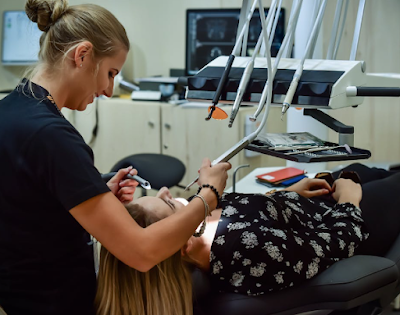
A routine dental check-up involves much more than simply looking for cavities.
Your dentist will examine your teeth, gums and surrounding oral tissues to look for signs of decay, gum disease, cracks, worn fillings or other changes. Existing crowns, fillings, bridges or other restorations may also be checked to ensure they remain in suitable condition.
Your dentist may also assess your bite and ask whether you have experienced jaw discomfort, sensitivity, bleeding gums or changes in your teeth.
Dental X-rays may sometimes be recommended when they are clinically necessary. X-rays can help identify problems that may not be visible during a standard examination, including decay between teeth or concerns around tooth roots.
These appointments also provide an opportunity to discuss brushing, flossing and other oral hygiene habits.
Why Is a Professional Dental Clean Important?
Brushing and flossing at home are essential, but they cannot always remove every deposit from your teeth.
Plaque is a sticky film that continually develops around teeth and gums. When plaque is not removed effectively, it can harden into tartar, also called calculus. Once tartar has formed, it generally cannot be removed with an ordinary toothbrush.
A professional dental clean removes plaque and tartar from areas that can be difficult to reach at home.
Cleaning can also help reduce surface staining and support healthier gums. Your dental professional may provide advice about brushing techniques, interdental brushes or flossing based on areas where plaque is regularly accumulating.
Is Every Six Months Necessary?
Six-monthly dental visits are common, but this interval should not automatically be treated as a rule for every patient.
Someone with a history of gum disease, frequent cavities or extensive dental work may need appointments every three or four months. Another patient with consistently healthy teeth and gums may be advised to return at a different interval.
Your dentist considers your individual risk factors before recommending your next visit.
Following a personalised schedule helps ensure that changes in your oral health are identified at an appropriate time rather than simply following a fixed calendar.
Signs You Should Visit Before Your Next Scheduled Check-Up
You do not need to wait until your routine appointment if something changes with your teeth or gums.
Persistent toothache, swelling, bleeding gums, sensitivity or discomfort while chewing should be assessed by a dental professional.
Dental injuries also require attention. A Broken tooth Bundoora assessment may be necessary when part of a tooth has fractured because of an accident, biting something hard or weakening from decay.
Depending on the severity of the damage, treatment may involve bonding, a filling, crown or another appropriate restorative option.
Severe pain, facial swelling, uncontrolled bleeding or significant dental trauma may require an Emergency Dentist Bundoora rather than waiting for the next routine appointment.
Early assessment can help determine the cause of the problem and the most suitable treatment.
Dental Check-Ups for Children
Children also benefit from regular dental visits.
Early appointments help dentists monitor the development of baby teeth, permanent teeth and the child's bite. They can also identify early signs of tooth decay and provide practical advice about brushing, diet and fluoride.
Regular visits can help children become familiar with the dental environment from an early age. This can make future appointments feel more routine and comfortable.
A Kids dentist Bundoora can also discuss concerns such as thumb sucking, crowded teeth, early tooth loss or changes in how permanent teeth are erupting.
The frequency of visits will depend on the child's individual dental health and development.
Can Regular Check-Ups Help Prevent Dental Problems?
Dental check-ups cannot prevent every oral health issue, but they can play an important role in early detection and ongoing prevention.
For example, early tooth decay may sometimes be identified before significant pain develops. Gum inflammation can also be addressed before it progresses further.
Regular professional cleaning helps manage plaque and tartar levels, while personalised advice can help you improve areas of your daily oral hygiene routine.
Prevention is generally simpler than dealing with advanced dental disease, which may require more extensive treatment.
What Can You Do Between Dental Visits?
Good oral health depends heavily on what happens between appointments.
Brush your teeth twice each day using fluoride toothpaste and clean between your teeth daily with floss or another interdental cleaning method recommended by your dentist.
Try to limit frequent sugary foods and drinks, particularly between meals. Drinking water regularly can also help wash away food particles and support normal saliva production.
Replace your toothbrush or toothbrush head when the bristles become worn, and avoid delaying dental care if you notice pain, swelling or changes in your gums.
When Should You Book Your Next Dental Check-Up?
The best time for your next dental check-up depends on your individual oral health rather than a universal schedule. For many patients, six-monthly appointments may be suitable, while others may benefit from more frequent or less frequent visits.
At Greenwood Plenty Dental Care, we assess each patient's teeth, gums and dental history before recommending an appropriate recall schedule.
Regular dental examinations, professional cleaning and consistent home care can work together to protect your teeth and gums over the long term. If it has been some time since your last dental visit, booking a check-up can help you understand your current oral health and identify whether any treatment or preventive care is needed.

.jpg)
Comments
Post a Comment